
In simple terms, every blink acts like a natural windshield wiper, spreading tears across the eye and keeping the ocular surface healthy.
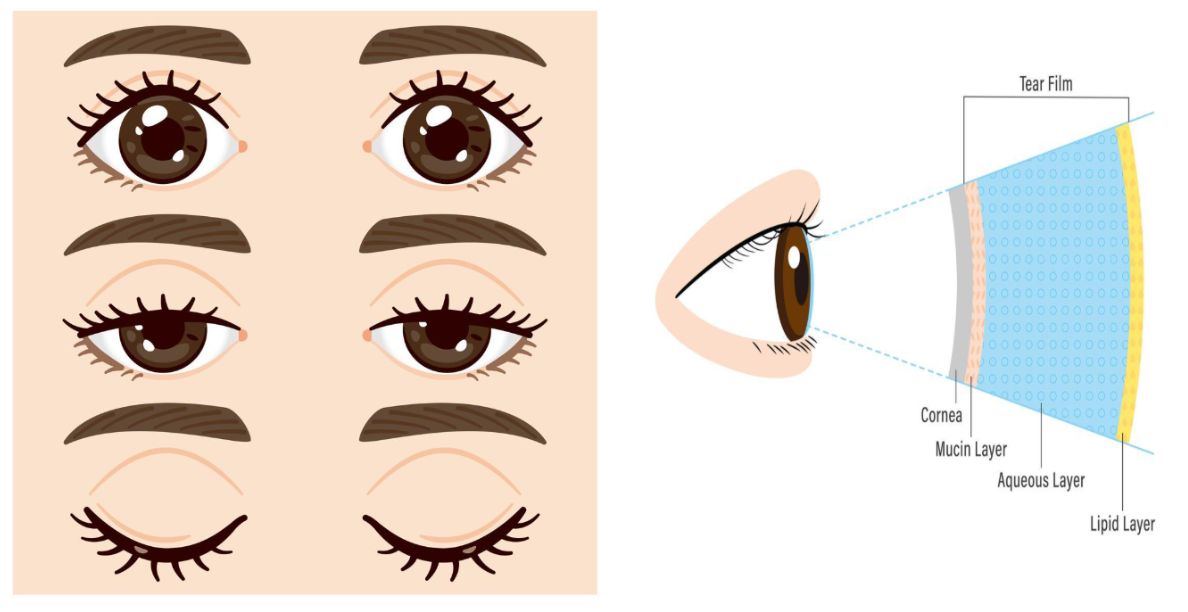
Tear Film Layers and Cornea Anatomy Vector Diagram
There are five major functions:
2. What happens when we blink less?
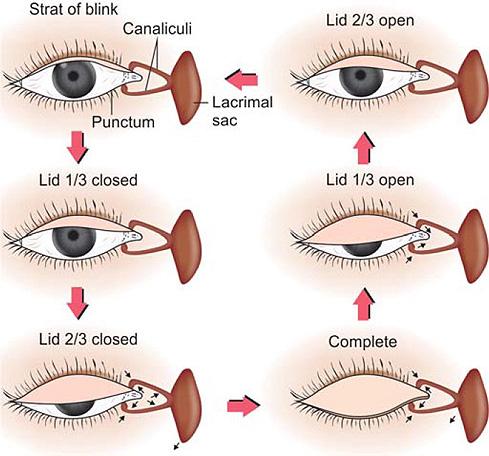
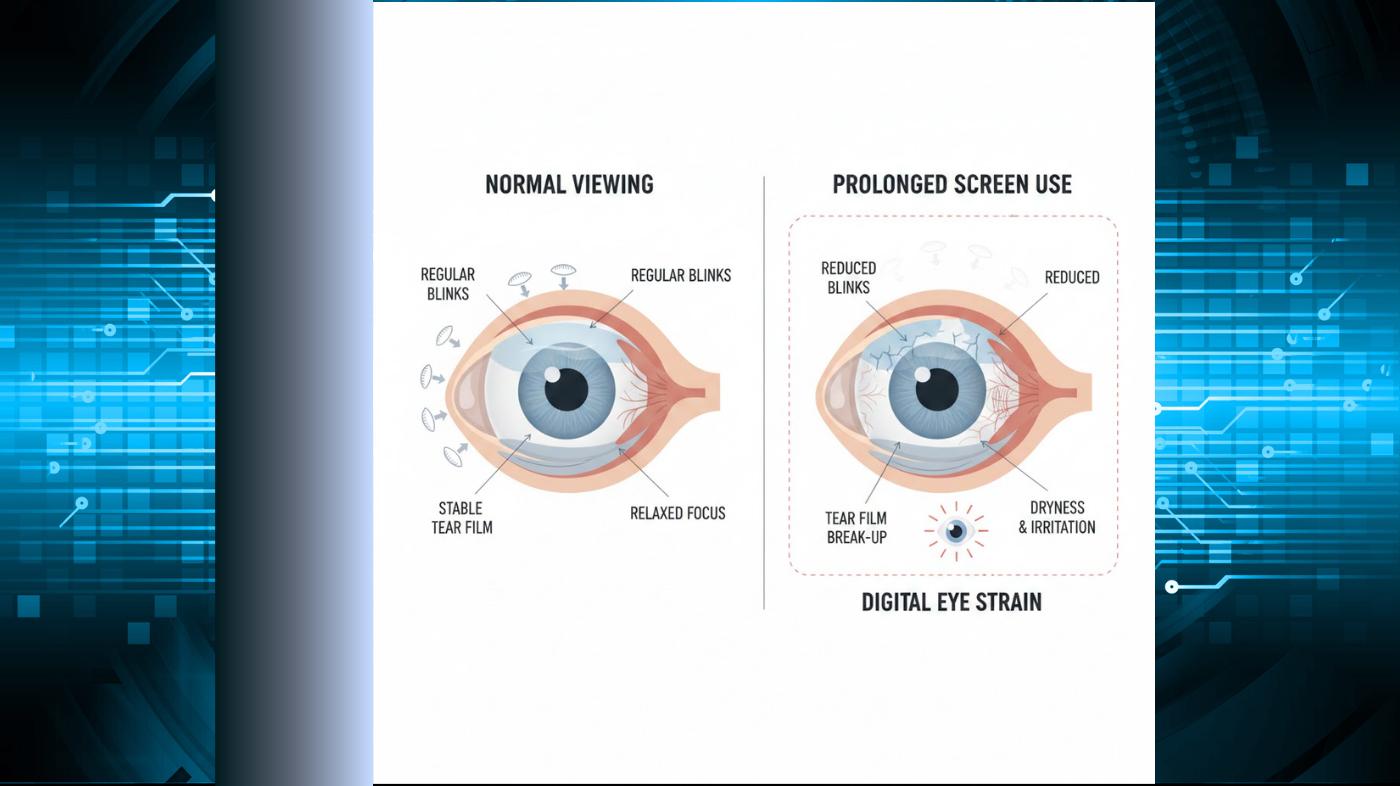
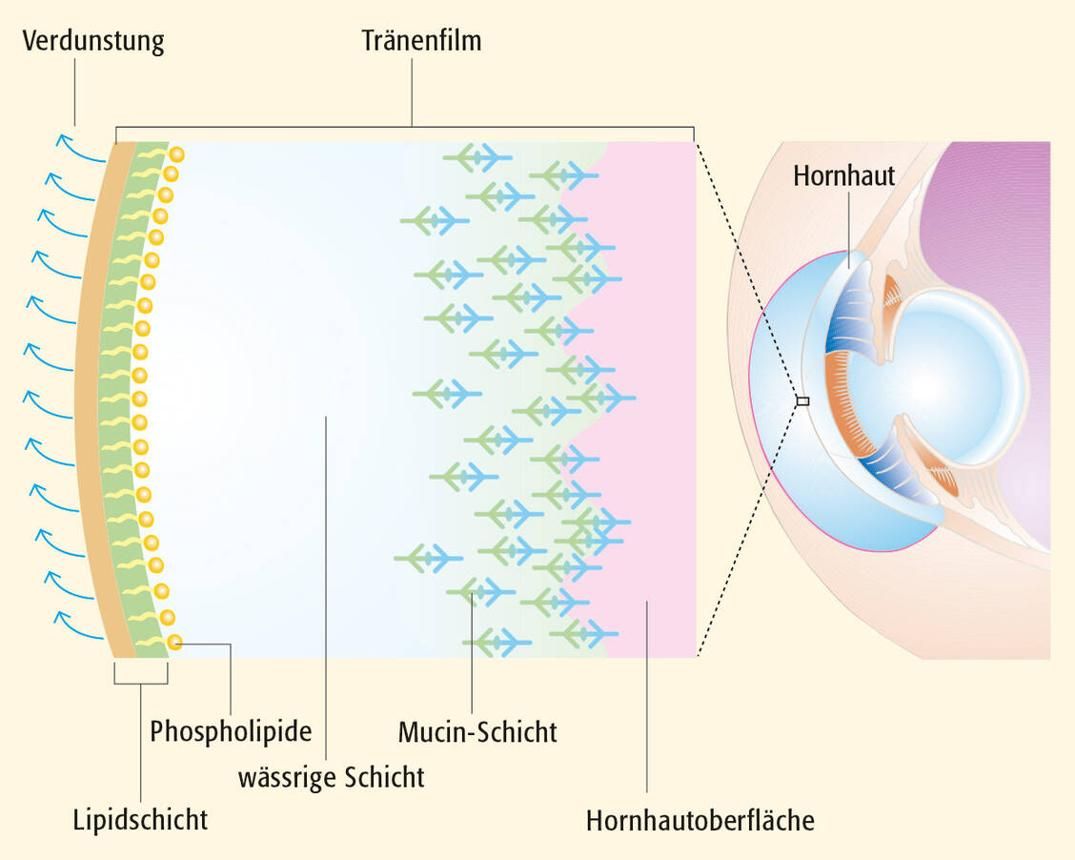
Comparison illustration between normal and dry eye. Cross section of eye surface.
Physiology Of The Eyelids And Lacrimal Pump Methods Of Examination
Keep Your Vision Clear in the Digital Age
How to Reduce Digital Eye Strain with Science-Backed Tips
When we concentrate on digital screens, smartphones, reading or computer work:
* Blink frequency often decreases.
* Incomplete blinking becomes more frequent.
* Tear film distribution becomes irregular.
* Tear evaporation increases.
* Meibomian gland lipid distribution may become inadequate.
* The ocular surface becomes vulnerable to dryness and irritation.
This can contribute to:
* Burning and stinging sensations.
* Foreign-body sensation.
* Redness and irritation.
* Fluctuating or blurred vision.
* Eye fatigue and discomfort.
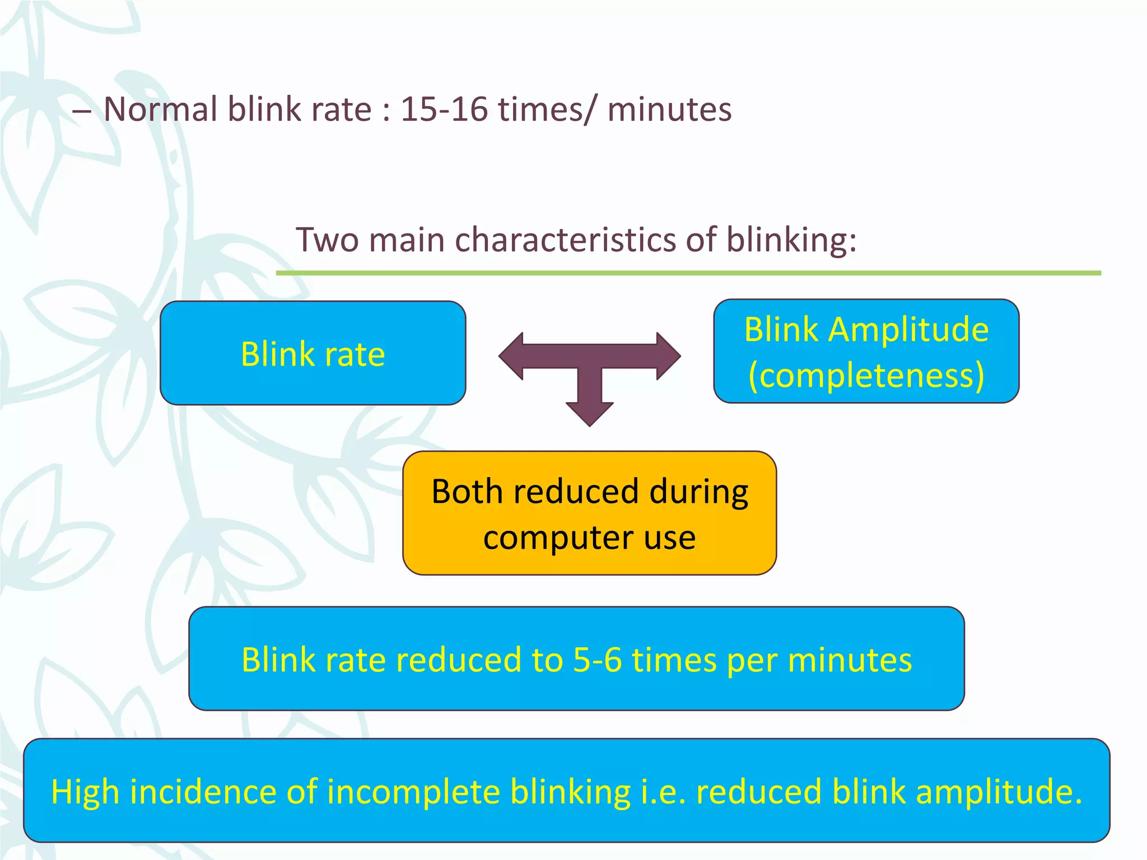
15–20
Blinks per minute
Typical relaxed blinking range (varies between individuals).
5–7
Blinks per minute
Can occur during concentrated screen use.
The important distinction: A complete blink is more beneficial than simply increasing the number of partial blinks.
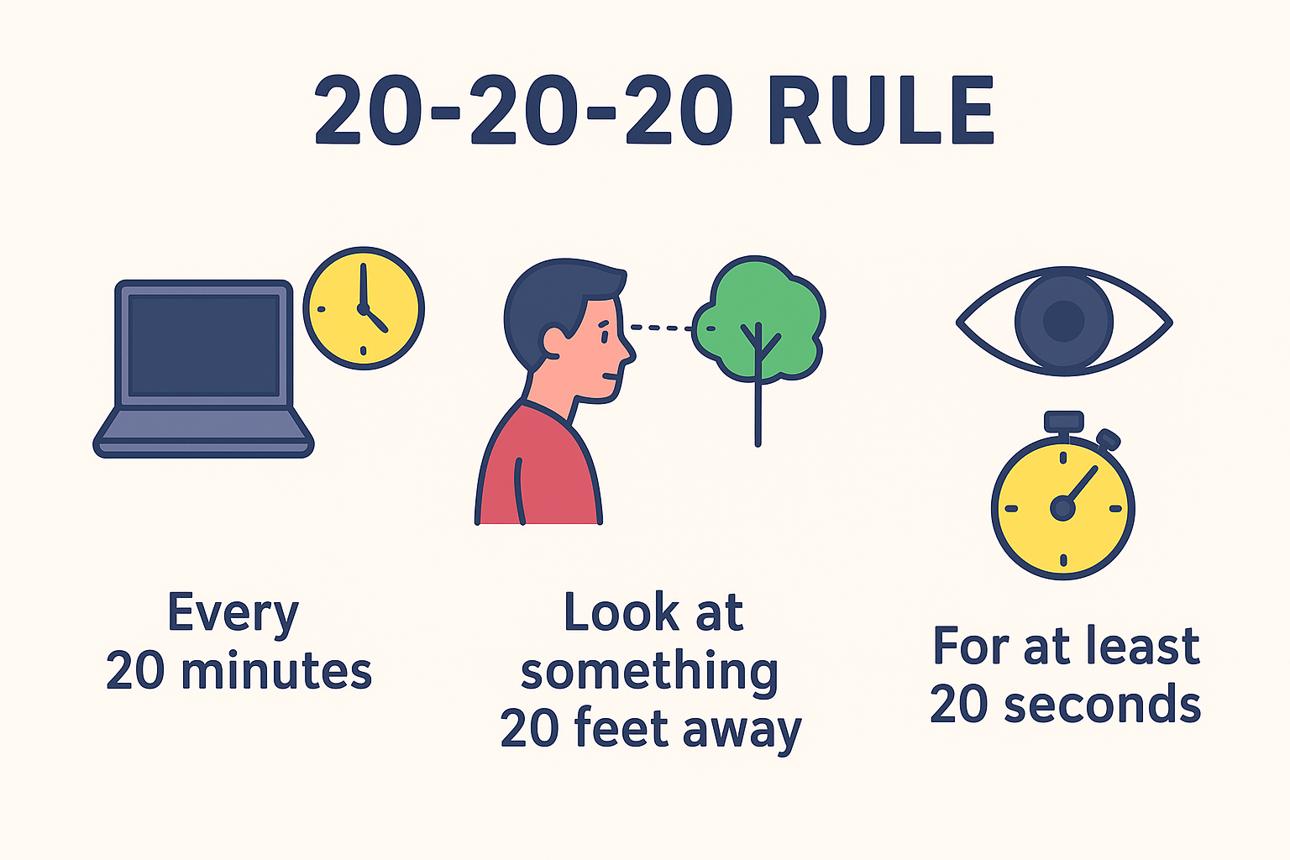
What is the 20-20-20 eye rule and how it can improve vision
A few simple habits can help:
For DryEyeCentres™, blinking is particularly important because it connects three critical parameters of ocular surface health:
How frequently a person blinks.
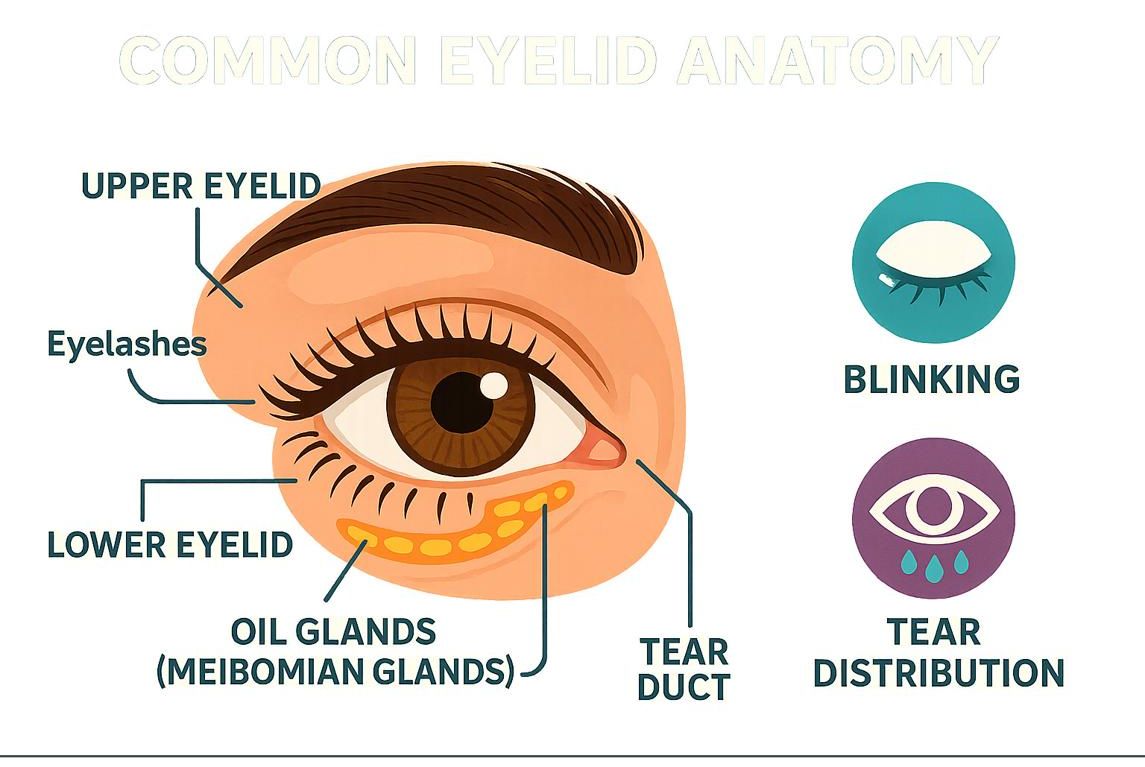
2. Blink Completeness
Whether the upper and lower eyelids meet completely.
3. Tear Film Break-Up Time (TBUT)
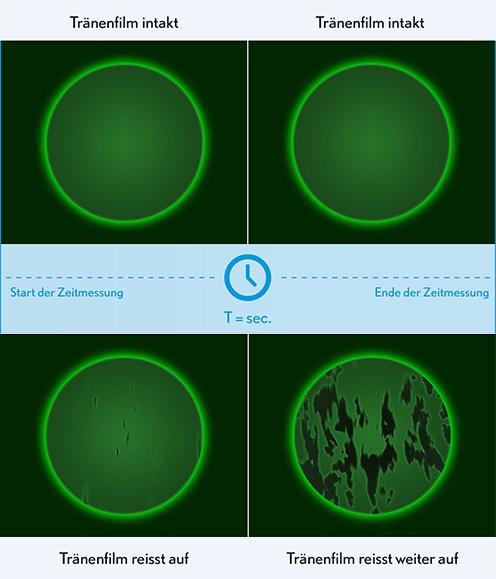
How long the tear film remains stable after a blink.
These parameters together can provide valuable insights into digital eye strain and dry-eye risk. They do not independently establish a clinical diagnosis.
Blink More. See Better. Protect Your Eyes.
Every blink matters.
Your eyes need regular blinking to maintain a healthy tear film. While using digital screens, remember to blink completely, take regular breaks and protect your ocular surface.
Don’t just look at the screen. Remember to blink!
DryEyeCentres™ | One Minute. One Screening. Better Eye Health.